Email: info@africantraces.com
/ Call us : +255755750247


KILIMANJARO TREKKING GUIDE

Everything You Need to Know to Reach Uhuru Peak (5,895m)

Reaching the summit of Mount Kilimanjaro—Africa’s highest peak standing at 19,341 feet (5,895 meters)—is a bucket-list dream. Located in Tanzania, this iconic gem is the world’s tallest free-standing mountain. At African Traces Ltd, we specialize in guiding first-time climbers and experienced trekkers safely to the top.
Can Beginners Climb Kilimanjaro

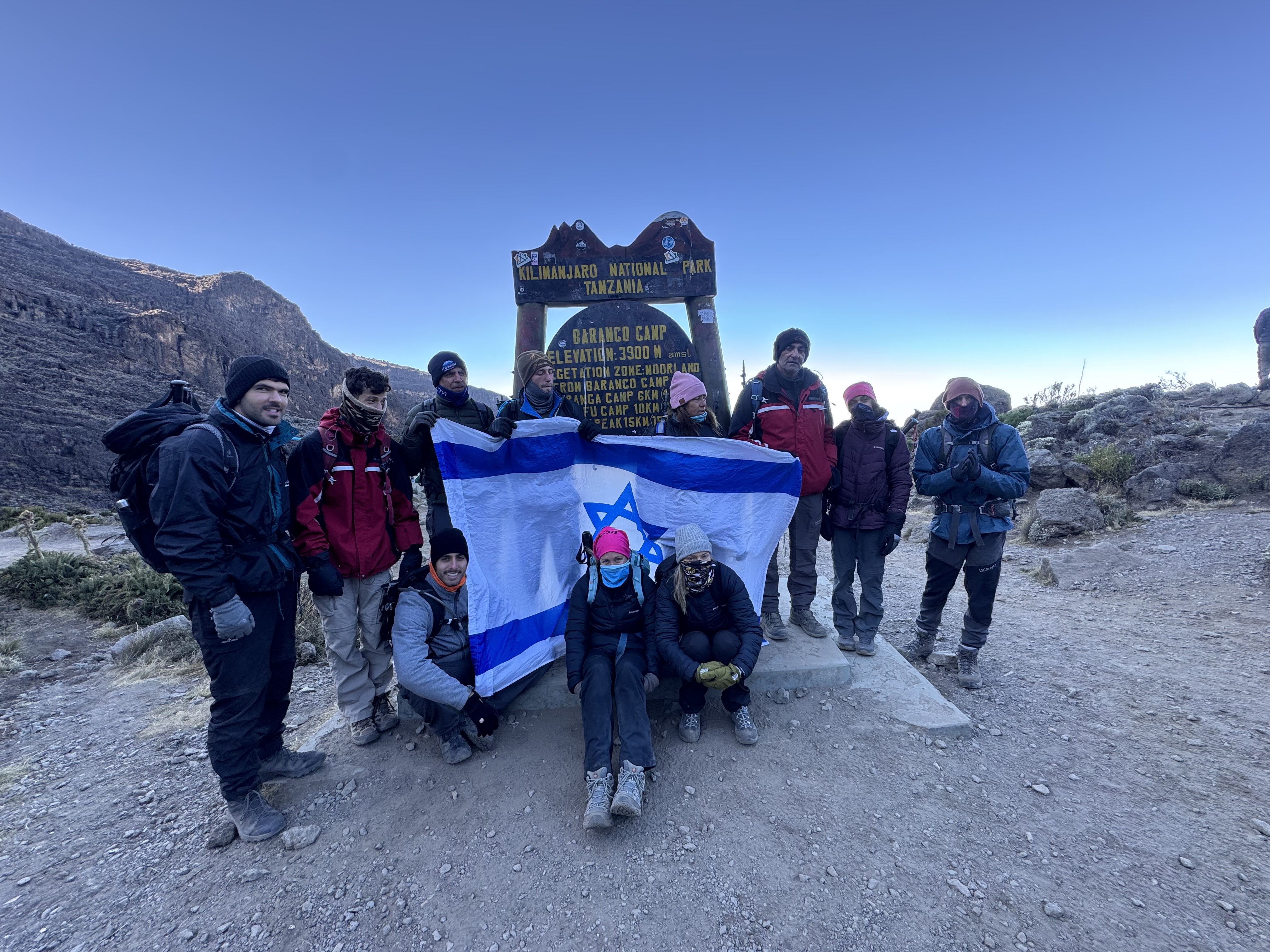
Can Beginners Climb Kilimanjaro?

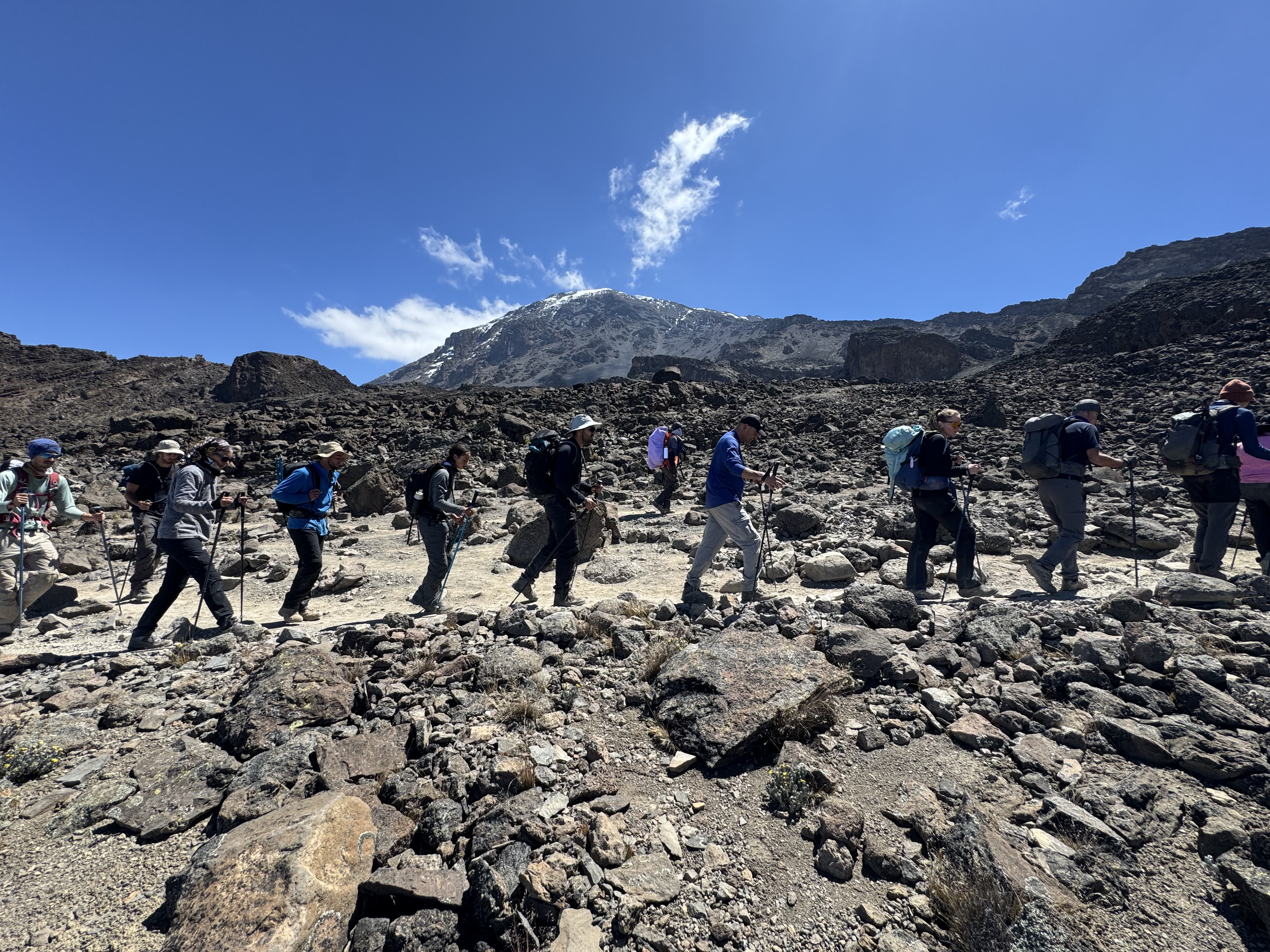
Yes! Mt. Kilimanjaro is a non-technical hike, meaning no ropes, ice axes, or prior mountaineering experience are required. With proper physical preparation, mental stamina, and our professional guidance, beginners can successfully reach the summit. The primary challenge is adapting to altitude and acclimatizing safely.

Kilimanjaro Preparation & Training

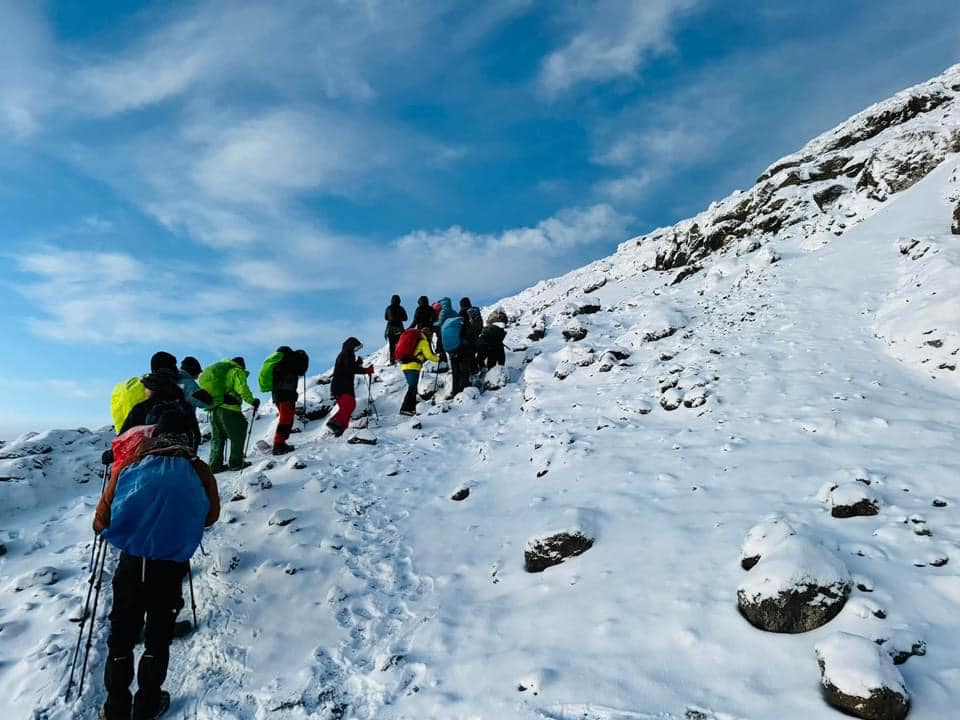
How to Prepare & Fitness Requirements

Though technical climbing skills aren't required, physical preparedness makes a massive difference in your safety and enjoyment.
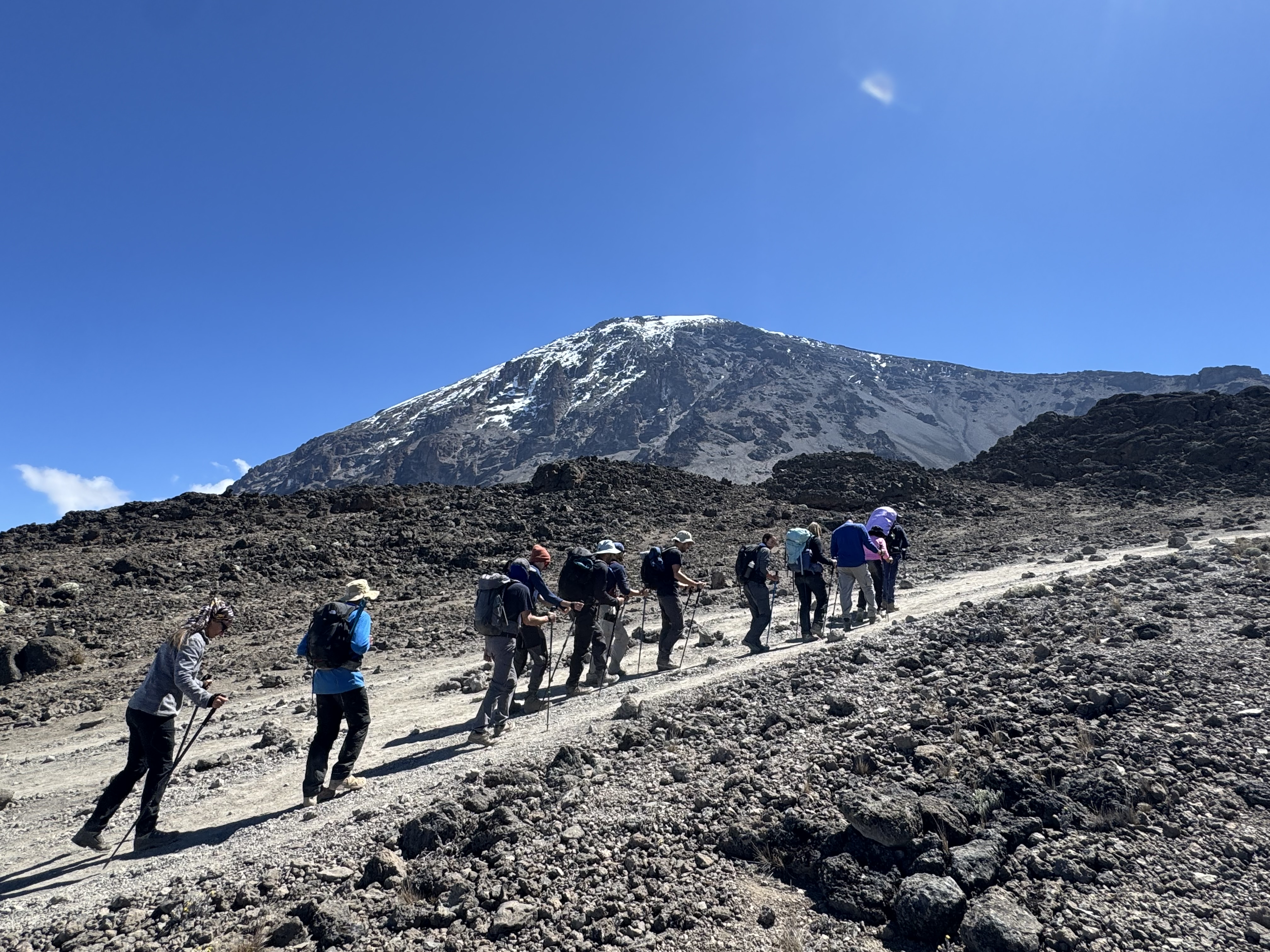
  • Cardiovascular Conditioning: Focus on aerobic exercises like long-distance walking, running, cycling, or swimming 3–5 months before departure.
  • Leg Strength & Stair Training: Train on stair-masters or steep trails with a weighted daypack to build endurance for long downhill descents.
  • Pre-Acclimatization: Plan to arrive in Tanzania 1–2 days before your trek to rest and acclimatize locally before stepping onto the mountain.
  • Age Requirements: National park regulations require climbers to be at least 10 years old.

Essential Kilimanjaro Gear

Essential Equipment & Packing List

Weather on Kilimanjaro shifts rapidly from intense equatorial sun to sub-zero freezing winds at night. High-quality, layered gear is vital.
Required Personal Gear

  • Sleeping Bag: Four-season bag rated to -20°C (-4°F) & sleeping pad.
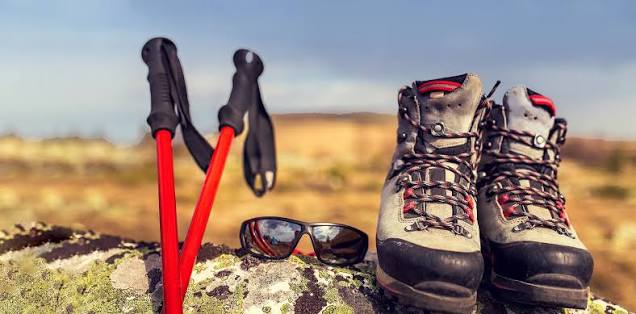
  • Footwear: Broken-in waterproof trekking boots & thermal socks.
  • Clothing: Moisture-wicking base layers, fleece mid-layers, insulated down jacket, waterproof/windproof shell pants & jacket.
  • Hands & Head: Warm beanie, sun hat, lightweight liner gloves, and heavy insulated waterproof gloves.
  • Packs: 70L Main Rucksack (carried by porters) and a 30–40L Day Pack (carried by you).

What African Traces Ltd Supplies

  • Professional mountain guides (Wilderness First Responder Certified).
  • Full team of support porters and cooks.
  • High-quality 4-season mountain tents and sleeping mats.
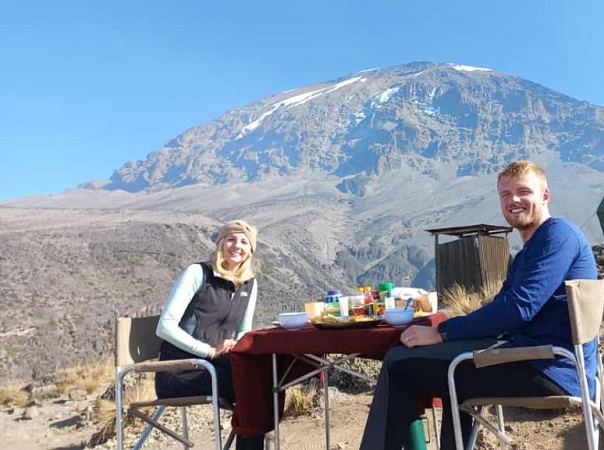
  • Mess tent, camping chairs, and dining tables.
  • Emergency bottled oxygen and pulse oximeters for daily health checks.

Best Time to Climb Mount Kilimanjaro

Best Time to Climb Mount Kilimanjaro

While Kilimanjaro is open year-round, conditions vary significantly depending on the season:

  • January – Early March (Best): Dry, warm, and clear conditions with lower trail traffic. Ideal for trekking.
  • June – September (Peak Season): Stable weather and clear skies. Highly popular, meaning trails are busier.
  • Off-Season (April–May & October–November): Heavy rains create muddy trails and low visibility. However, quiet trails appeal to adventurous hikers.

Kilimanjaro Routes & Pricing Overview

African Traces Ltd offers fully supported climbs across all official ascent routes. Below is a summary of route durations, difficulty levels, and starting costs per person:

Route Standard Duration Difficulty Success Rate Starting Price (Per Person) Key Feature
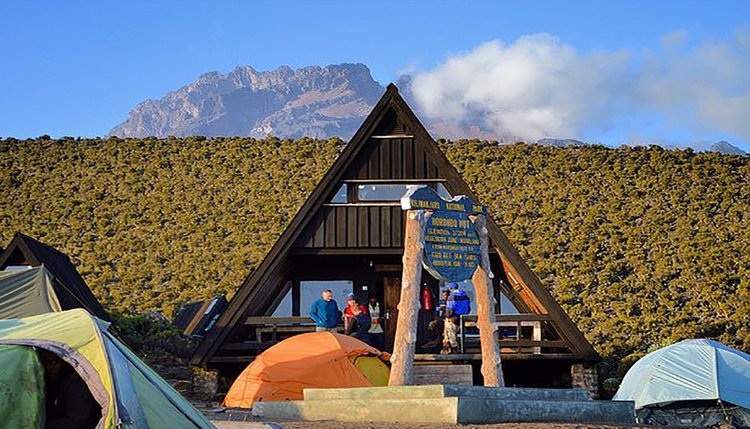
Marangu 6 Days Moderate 50–65% $2,450 "Coca-Cola Route." Sleep in communal huts instead of tents.
Machame 7 Days Challenging ~85%+ $2,900 "Whiskey Route." Highly scenic with great acclimatization profile.
Lemosho 8 Days Moderate to High ~90%+ $3200 Panoramic western views, lower early crowds, highest success rate.
Rongai 7 Days Moderate 80–85% $2,630 Dry northern approach near Kenya; quiet and remote path.
Northern Circuit 9 Days Moderate ~95%+ $3300 360-degree mountain views and maximum altitude adjustment time.
Umbwe 6 Days Very High Lower $2,590 Steepest, shortest, and most strenuous direct ascent.

Safety, Health & Logistics

Safety, Health & Logistics

Arrival & Logistics

Fly into Kilimanjaro International Airport (JRO). African Traces provides hassle-free airport pickups and hotel transfers to your accommodation in Moshi or Arusha.
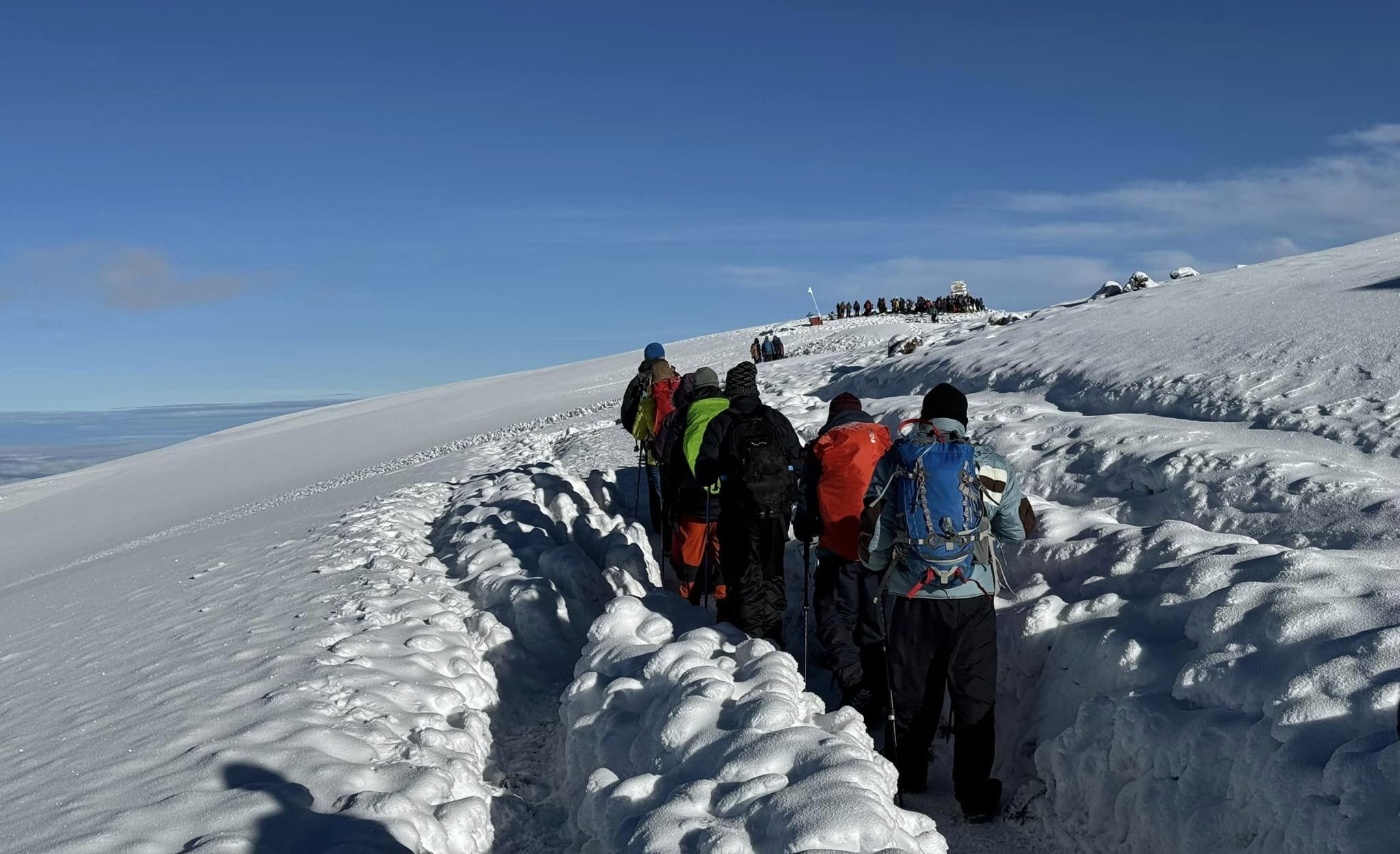
On-Mountain Safety Guidelines

  • Pole Pole (Slow Down): Trek at a gentle pace to conserve energy and acclimate naturally.
  • Hydrate: Drink 3 to 4 liters of water every single day.
  • Daily Health Monitoring: Our WFR-certified guides conduct pulse oximeter checks twice daily.

Our Top Recommended Kilimanjaro Treks

Ready to climb Kilimanjaro or looking for custom private dates? Contact us today. Our team is ready to assist you.